
Why Clients Choose Windes
Innovation
We leverage technology and effective processes to deliver innovative solutions that support the success of our clients.
Leadership
Our team of seasoned professionals empowers clients to navigate their most challenging situations through proactive guidance and strategic insights.
Services
With a robust line of ever-expanding advisory, audit, and tax services, we are continuously evolving to exceed client expectations.







 Read About - Windes Celebrates 100 Years of Trusted Relationships!
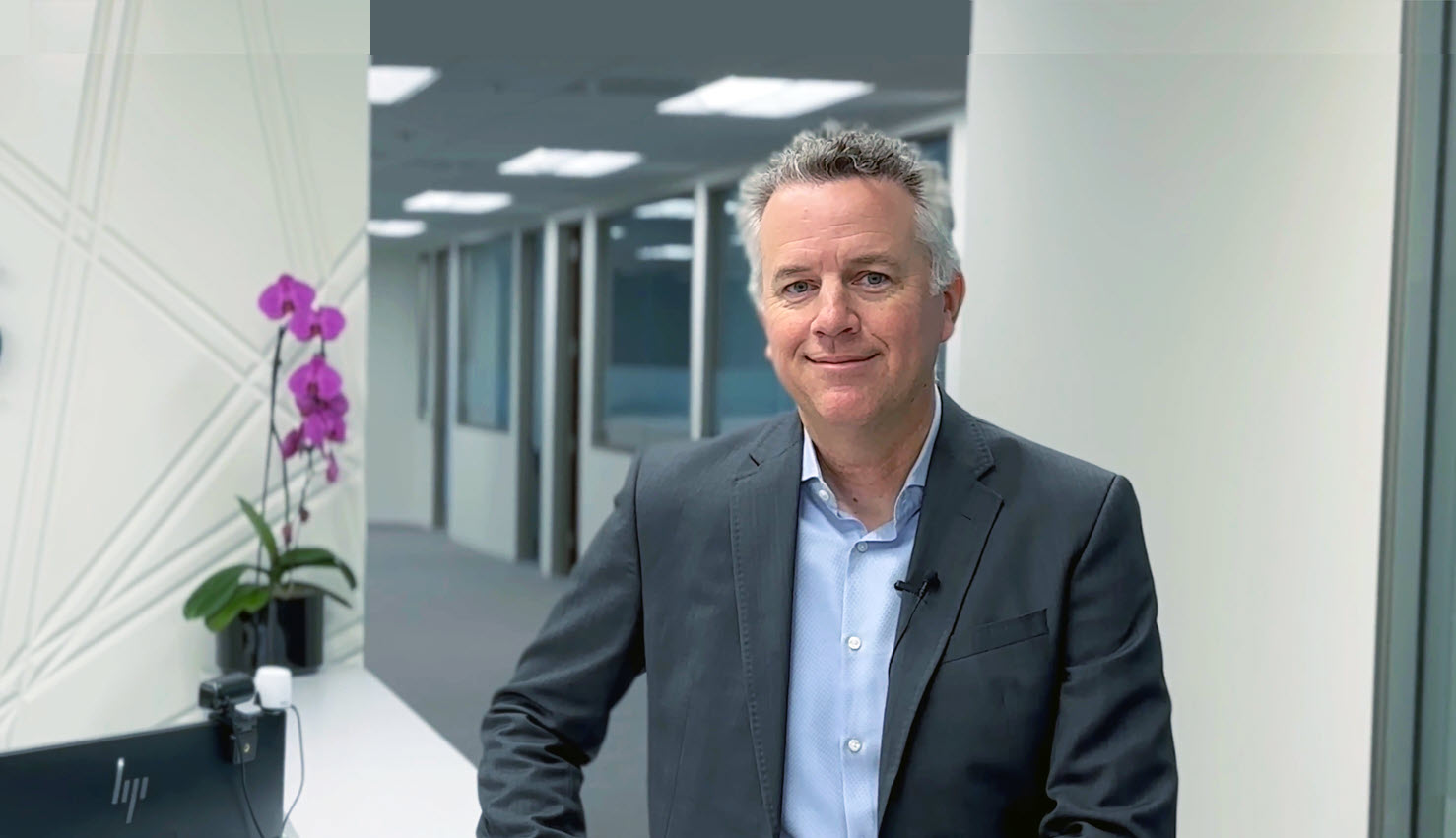 Read About - Sean McFerson talks about what’s next for Windes in 2026
 Read About - Risk Management and Cybersecurity
Windes Accounting Firm and Advisory Services
At Windes accounting firm, tradition and innovation converge to shape the future of accounting. Our pioneering spirit endures the test of time, enabling Windes to lead the way in business advisory, audit, assurance, tax consulting, and compliance services. We understand every business is unique and offer customized strategies tailored to meet the specific needs of privately held businesses, nonprofit organizations, and high-net-worth individuals. Windes has 30 partners and more than 250 professionals in offices located in Long Beach, Irvine, and Los Angeles.
Embracing the digital age, we offer comprehensive services that blend cutting-edge practices with proven methodologies. These include advisory, audit and assurance, employee benefits services, estate and trust planning, risk management and cybersecurity, client accounting services (fractional CFO, Controller, Business Process Outsourcing), business value acceleration and exit planning, executive recruiting, human resources consulting, merger and acquisition strategies, and tax planning and consulting (including tax credit studies).
Beyond our local impact, Windes is a member of Allinial Global, an international association of exceptional accounting firms. Allinial Global is the second-largest accountancy association in the world, with $7 billion in collective revenues. Represented by 270 member firms with more than 44,000 professionals in 112 countries worldwide, this alliance ensures our clients have a competitive edge in today’s interconnected world.
With our rich heritage, we embrace the possibilities of tomorrow. Whatever your business needs, Windes has the solutions to propel you forward.
Firm News!
Find out what we’ve been up to! Read about our community involvement and recognitions, firm events, and recent press releases.