
Windes Accounting Firm and Advisory Services
Windes is an independently owned, relationship-driven CPA firm providing tax, audit, accounting, and business consulting services for privately held businesses, nonprofit organizations, and high-net-worth individuals. With offices in Long Beach, Los Angeles, and Orange County, our professionals help organizations manage complexity, improve financial clarity, and make confident decisions.
As your business needs evolve, Windes delivers the technical depth of a large firm with the accessibility of a partner-led advisory team. Our services include tax advisory, audit and assurance, outsourced accounting, fractional CFO and controller support, risk management, cybersecurity, M&A strategy, human capital, and business consulting.
Whether you need compliance support, stronger reporting, strategic insight, or guidance through a major business decision, Windes helps you move forward with practical recommendations and responsive service.
Why Clients Choose Windes
Innovation
We leverage technology and effective processes to deliver innovative solutions that support the success of our clients.
Leadership
Our team of seasoned professionals empowers clients to navigate their most challenging situations through proactive guidance and strategic insights.
Services
With a robust line of ever-expanding advisory, audit, and tax services, we are continuously evolving to exceed client expectations.








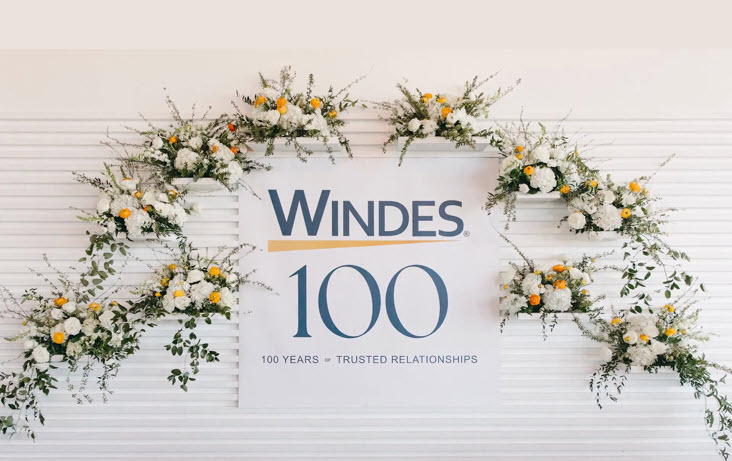 Read About - Windes Celebrates 100 Years of Trusted Relationships!
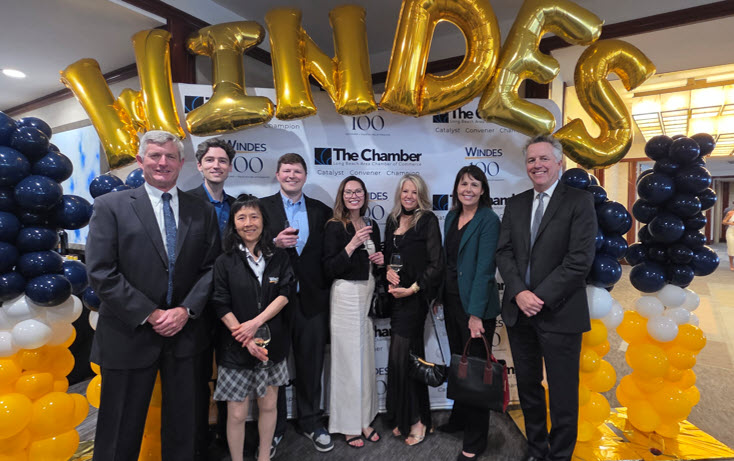 Read About - Windes Receives “Destination Tomorrow Award”
 Read About - Get a Complementary AI-Risk Assessment
Firm News!
Find out what we’ve been up to! Read about our community involvement and recognitions, firm events, and recent press releases.
Frequently Asked Questions
Windes provides tax advisory, audit and assurance, accounting services, business consulting, client advisory services, transaction advisory, technology risk, cybersecurity, and human capital advisory.
Windes works with privately held businesses, nonprofit organizations, high-net-worth individuals, executives, owners, boards, and leadership teams with complex financial and advisory needs.
Windes has offices in Long Beach, Los Angeles, Orange County, and serves clients across California and nationally.